

 Türkisch
  Englisch
  Russisch
  Deutsch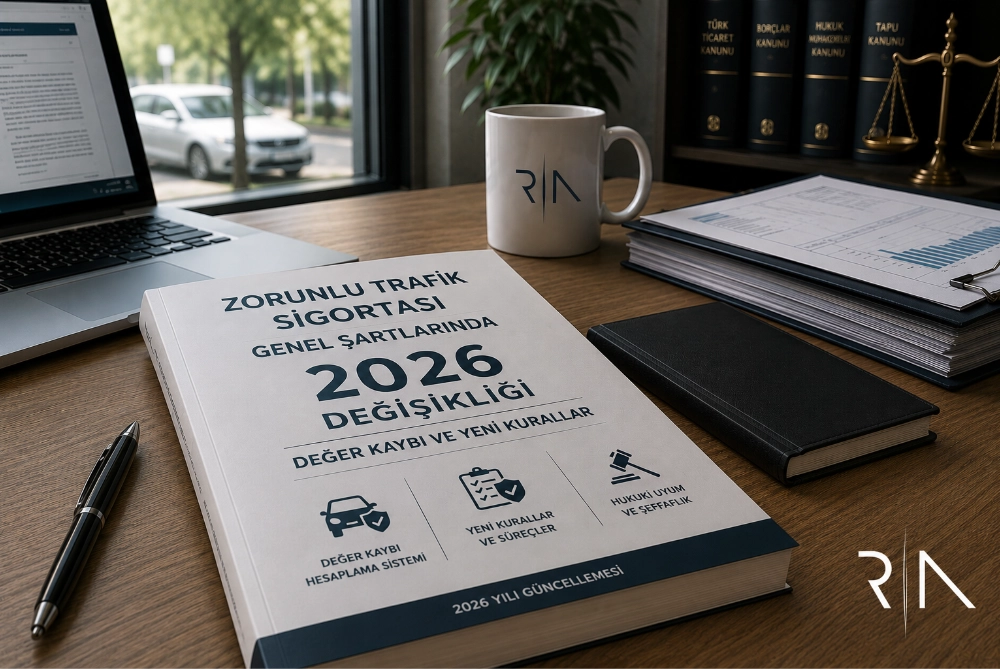
Mit dem im Amtsblatt vom 12. Juni 2026, Nr. 33278 veröffentlichten Rundschreiben wurden umfassende Änderungen an den Allgemeinen Bedingungen der Kraftfahrzeug-Haftpflichtversicherung (Kfz-Pflichtversicherung) vorgenommen. Die wichtigste Neuerung der Änderung ist, dass eine Person, die einen Fahrzeugschaden geltend macht, künftig automatisch als antragstellend hinsichtlich des Minderwerts gilt.
Die neuen Regeln treten am 1. Juli 2026 in Kraft. In diesem Beitrag werden sämtliche Änderungen — von der Minderwertdeckung über die Regeln zum Teileaustausch bis hin zu Zahlungen bei schwer beschädigten Fahrzeugen und der Ausnahme für das Verlassen der Unfallstelle — im Hinblick auf den Entschädigungsanspruch erläutert.
Was hat sich an den Allgemeinen Bedingungen der Kfz-Pflichtversicherung geändert?
Die Aufsichtsbehörde für Versicherungswesen und private Altersvorsorge (SEDDK) hat die im Amtsblatt vom 14.5.2015, Nr. 29355, veröffentlichten Allgemeinen Bedingungen der Kfz-Pflichtversicherung in vielerlei Hinsicht neu geregelt. Die Änderung erstreckt sich von der Definition der Deckungsarten bis hin zu den bei der Schadensreparatur zu verwendenden Teileregeln. Die Regelung tritt am 1. Juli 2026 in Kraft und ist für ab diesem Datum ausgestellte Policen und eintretende Unfälle von Bedeutung. Für Fahrzeughalter und Verkehrsunfallgeschädigte in Antalya werden die praktischen Folgen dieser Änderungen unmittelbar spürbar sein.
In der Region Antalya werden jährlich zahlreiche Entschädigungsverfahren wegen Verkehrsunfällen geführt, und die neuen Allgemeinen Bedingungen wirken sich unmittelbar auf den Ablauf dieser Verfahren aus. Fahrzeughaltern und Verkehrsunfallgeschädigten in Antalya wird empfohlen, diese Änderungen aufmerksam zu verfolgen, um keinen Rechtsverlust zu erleiden.
Die Minderwertdeckung gilt künftig automatisch als beantragt
Die wichtigste Neuerung der neuen Regelung betrifft die Minderwertdeckung. Der Minderwert wird definiert als die Differenz zwischen dem Gebrauchtwagenwert eines Fahrzeugs vor dem Unfall und seinem Gebrauchtwagenwert nach der Reparatur. Nach den Allgemeinen Bedingungen gilt der Anspruchsberechtigte, der einen Fahrzeugschaden geltend macht, künftig ohne gesonderten Antrag auch als Antragsteller hinsichtlich des Minderwerts. In Antalya wird diese Neuerung den Rechtsverlust nach einem Unfall erheblich verringern.
Diese Regelung beseitigt das in der Praxis häufige Problem, dass viele Geschädigte den Minderwertanspruch mangels Kenntnis nicht geltend machen konnten. Bei Verkehrsunfällen in der Region Antalya forderten Fahrzeughalter meist nur den Reparaturbetrag und übersahen den Minderwert. Nach der neuen Regel umfasst der Antrag auf Sachschaden automatisch auch den Antrag auf Minderwert.
Wie wird der Minderwert berechnet?
Der Minderwertbetrag wird von einem nach den von der Behörde festzulegenden Verfahren und Grundsätzen bestellten Versicherungssachverständigen ermittelt. Der Sachverständige berücksichtigt bei der Berechnung folgende Kriterien: Marke, Alter, Modell, Nutzungsgrad des Fahrzeugs, beschädigte Teile, frühere Schadenshistorie sowie die Differenz zwischen dem Gebrauchtwagenwert vor dem Unfall und nach der Reparatur. Wird für den Fahrzeugschaden ein Sachverständiger bestellt, ist derselbe Sachverständige verpflichtet, auch seine Feststellung zum Minderwertbetrag in seinen Bericht aufzunehmen. In den in Antalya geführten Entschädigungsakten dient dieser Bericht als Grundlage für die Bestimmung des zu fordernden Betrags.
Mitteilungspflicht des Versicherers innerhalb eines Werktags
Eine wichtige, den Allgemeinen Bedingungen hinzugefügte Garantie ist die Verpflichtung des Versicherers, den berechneten Minderwertbetrag spätestens am auf den Eingang des endgültigen Sachverständigenberichts folgenden Werktag dem Anspruchsberechtigten mitzuteilen. Diese Mitteilung kann schriftlich oder über einen dauerhaften Datenträger erfolgen. Diese kurze Frist ist eine Regelung zugunsten der Unfallgeschädigten in Antalya, da sie das Entschädigungsverfahren beschleunigt.
Deckungsarten neu geregelt
Artikel A.5 der Allgemeinen Bedingungen wurde vollständig neu gefasst, und die Deckungsarten wurden unter vier Hauptüberschriften geregelt. In den in Antalya geführten Entschädigungsakten ist die richtige Zuordnung dieser Unterscheidung entscheidend für die vollständige Bestimmung der geltend zu machenden Posten.
Deckung für Sachschäden
Die Deckung für Sachschäden umfasst die unmittelbare Vermögensminderung des Anspruchsberechtigten, einschließlich des am beschädigten Fahrzeug entstandenen Minderwerts. Die ausdrückliche Einbeziehung des Minderwerts in diese Deckung beseitigt frühere Unsicherheiten. In Antalya können Fahrzeughalter bei Sachschadensunfällen künftig sowohl den Reparaturbetrag als auch den Minderwert mit einem einzigen Antrag geltend machen.
Deckung für Heilbehandlungskosten
Die Deckung für Heilbehandlungskosten umfasst sämtliche Behandlungskosten, einschließlich der Kosten für Prothesen, die der Wiederherstellung des Dritten nach einem Verkehrsunfall dienen. Heilbehandlungskosten im Sinne von Artikel 98 des Gesetzes Nr. 2918 fallen bei Personen mit allgemeiner Krankenversicherung in die Zuständigkeit der Sozialversicherungsanstalt, wofür weder das Versicherungsunternehmen noch der Garantiefonds haftet. Demgegenüber werden medizinisch erforderliche Pflegekosten während der Behandlung und nach dauerhafter Invalidität aus dieser Deckung erstattet. Für in Antalya behandelte Unfallgeschädigte ist die richtige Zuordnung dieser Unterscheidung wichtig, um sich an die zuständige Stelle zu wenden. Bei der Bestimmung des Pflegebedarfs ist das Gutachten der Kommission maßgeblich. Bei schwer verletzenden Unfällen in Antalya bilden Pflegekosten einen bedeutenden Entschädigungsposten während der Behandlung des Geschädigten.
Deckung für Invalidität
Die Deckung für Invalidität ersetzt die dem Dritten künftig wirtschaftlich entstehenden materiellen Schäden aufgrund dauerhafter Invalidität gemäß den Bestimmungen des türkischen Schuldrechtsgesetzes Nr. 6098 über unerlaubte Handlungen. Vorübergehende Arbeitsunfähigkeit und dauerhafte Invalidität infolge eines Verkehrsunfalls fallen unter diese Deckung. Als wichtige Garantie gilt: Enthalten die amtlichen Unfalldokumente eine Feststellung des Kausalzusammenhangs, trägt das Versicherungsunternehmen die Beweislast für das Gegenteil. Diese Regel stärkt die Position des Geschädigten in den in Antalya erhobenen Klagen auf Entschädigung wegen dauerhafter Invalidität.
Deckung für Unterhaltsentgang (Tod)
Die Deckung für Unterhaltsentgang ersetzt den Personen, die durch den Tod des Dritten dessen Unterhalt verlieren, den Unterhaltsschaden ebenfalls nach den Bestimmungen des Gesetzes Nr. 6098 über unerlaubte Handlungen. Bei der Bestimmung der Entschädigungshöhe wird auf die verstorbene Person abgestellt. Bei tödlichen Verkehrsunfällen in der Region Antalya haben die Angehörigen, die den Unterhalt des Verstorbenen verloren haben, Anspruch auf diese Deckung.
Regeln zum Teileaustausch bei der Reparatur beschädigter Fahrzeuge
In Artikel B.2 der Allgemeinen Bedingungen wurden die Regeln zum Teileaustausch neu geregelt. Danach wird ein beschädigtes Originalteil, sofern es nicht reparabel ist, grundsätzlich durch ein Originalteil ersetzt. Wird jedoch die Zustimmung des Anspruchsberechtigten eingeholt oder ist der Austausch durch ein Originalteil nicht möglich, kann das Teil wiederverwendet oder durch ein gleichwertiges Teil ersetzt werden. Bei in Antalya reparierten Fahrzeugen ist die Frage, welches Teil eingebaut wird, ein wichtiger Faktor für die Höhe der Entschädigung.
An dieser Stelle wurde eine entscheidende Regel zugunsten des Anspruchsberechtigten eingeführt: Die Beweislast dafür, dass die Zustimmung des Anspruchsberechtigten eingeholt wurde oder der Austausch durch ein Originalteil nicht möglich ist, trägt der Versicherer. Entsteht durch diese Praxis zudem eine Wertsteigerung des Fahrzeugs, darf diese Differenz nicht vom Entschädigungsbetrag abgezogen werden. Ist das beschädigte Teil kein Originalteil, gilt die umgekehrte Reihenfolge; vorrangig wird ein wiederverwendbares oder gleichwertiges Teil gewählt. Für Unfallgeschädigte, die in der Region Antalya ihr Fahrzeug reparieren lassen, ist es wichtig, diese Beweislast zu kennen.
Voraussetzung "aus dem Verkehr gezogen" bei schwer beschädigten Fahrzeugen
Nach der neuen Regelung wird, wenn durch einen Sachverständigenbericht im Rahmen der von der Behörde festgelegten Verfahren und Grundsätze festgestellt wird, dass das beschädigte Fahrzeug einen schweren Schaden erlitten hat, keine Entschädigung ausgezahlt, bevor dem Versicherer die mit dem Stempel "aus dem Verkehr gezogen" versehene Zulassungsbescheinigung vorgelegt wird. Diese Regel soll verhindern, dass schwer beschädigte Fahrzeuge wieder in den Verkehr gebracht werden. Der Eigentümer eines in Antalya schwer beschädigten Fahrzeugs muss zunächst dieses Registrierungsverfahren abschließen, um seine Entschädigung zu erhalten.
Lockerung der Ausnahme für das Verlassen der Unfallstelle
In Artikel B.4 der Allgemeinen Bedingungen, der die Deckungsausschlüsse regelt, wurde eine wichtige humanitäre Änderung vorgenommen. Grundsätzlich ist das Verlassen der Unfallstelle durch den Versicherten oder ein Verstoß gegen die Pflicht zur Erstellung von Dokumenten wie Unfallprotokoll oder Alkoholtest vom Versicherungsschutz ausgeschlossen. Mit der neuen Regelung wurden jedoch das Entfernen aus Gründen der persönlichen Sicherheit sowie zwingende Fälle wie das Aufsuchen einer medizinischen Einrichtung zur Behandlung oder Hilfeleistung bei Unfällen mit Körperverletzung von diesem Ausschluss ausgenommen. Damit verliert eine Person, die die Unfallstelle unter Lebensgefahr oder zur Hilfeleistung für einen Verletzten verlässt, ihren Versicherungsschutz nicht. Bei Unfällen mit Körperverletzung in Antalya bietet diese Ausnahme einen wichtigen Schutz, sowohl aus ethischer als auch aus rechtlicher Sicht.
Dauerhafter Datenträger und Dokumentation gleichwertiger Teile
Ein neuer, den Allgemeinen Bedingungen hinzugefügter Begriff ist der "dauerhafte Datenträger". Ein dauerhafter Datenträger bezeichnet jedes Mittel, das es ermöglicht, von den Parteien gesendete oder an sie gerichtete Informationen unverändert zu speichern und wieder abzurufen. Hierzu zählen SMS, E-Mail, Internet, mobile Anwendungen, Datenträger, Speicherkarten sowie über das Versicherungsinformations- und Überwachungszentrum oder das E-Government-Portal einzurichtende Strukturen. Damit können Mitteilungen des Versicherers rechtswirksam auch auf digitalem Weg erfolgen. Policeninhaber in Antalya können Mitteilungen dadurch auch elektronisch verfolgen.
Zudem wurde die Befugnis zur Festlegung der Dokumentationsgrundsätze für gleichwertige Teile, die zuvor in einem Rundschreiben des Finanzministeriums geregelt war, gemäß Artikel 11 des Gesetzes Nr. 5684 auf das Ministerium für Industrie und Technologie übertragen. Die Anlagen 1, 2, 3 und 7 der Allgemeinen Bedingungen wurden aufgehoben, Anlage 6 wurde neu gefasst. Parteien, die Versicherungsstreitigkeiten in Antalya verfolgen, sollten auch diese Anlagenänderungen berücksichtigen.
• Eine Person, die einen Fahrzeugschaden geltend macht, gilt automatisch auch als Antragsteller hinsichtlich des Minderwerts.
• Der Versicherer muss den Minderwertbetrag innerhalb des auf den endgültigen Sachverständigenbericht folgenden Werktags mitteilen.
• Die Beweislast, dass eine Zustimmung eingeholt wurde oder ein Originalaustausch nicht möglich ist, liegt beim Teileaustausch beim Versicherer.
• Bei schwer beschädigten Fahrzeugen wird ohne die Bescheinigung "aus dem Verkehr gezogen" keine Entschädigung gezahlt.
• Wer die Unfallstelle aus Gründen der persönlichen Sicherheit oder zur Hilfeleistung für Verletzte verlässt, verliert seinen Versicherungsschutz nicht.
• Die neuen Allgemeinen Bedingungen treten am 1. Juli 2026 in Kraft.
Änderung der Allgemeinen Bedingungen der Kraftfahrzeug-Haftpflichtversicherung — Amtsblatt, 12. Juni 2026, Nr. 33278"Der im Rahmen dieser Deckung für einen Fahrzeugschaden Antrag stellende Anspruchsberechtigte gilt auch als Antragsteller hinsichtlich des Minderwerts. Der Versicherer teilt den berechneten Minderwertbetrag dem Anspruchsberechtigten spätestens am auf den Eingang des endgültigen Sachverständigenberichts folgenden Werktag mit."
| Thema | Bisherige Regelung | Ab 1. Juli 2026 |
|---|---|---|
| Minderwertantrag | Musste gesondert ausdrücklich beantragt werden | Der Antrag auf Fahrzeugschaden umfasst auch den Minderwertantrag |
| Minderwertmitteilung | Keine klare Frist vorgesehen | Mitteilung innerhalb des auf den Sachverständigenbericht folgenden Werktags zwingend |
| Beweislast beim Teileaustausch | Unklar | Nachweis von Zustimmung/Unmöglichkeit liegt beim Versicherer |
| Zahlung bei schwer beschädigtem Fahrzeug | Keine besondere Voraussetzung erforderlich | Bescheinigung "aus dem Verkehr gezogen" zwingend |
| Verlassen der Unfallstelle | Grundsätzlich vom Versicherungsschutz ausgeschlossen | Fälle persönlicher Sicherheit und Behandlung ausgenommen |
| Befugnis zur Dokumentation gleichwertiger Teile | Rundschreiben des Finanz- und Schatzministeriums | Ministerium für Industrie und Technologie (Gesetz Nr. 5684) |
Verwandte Regelung 2026: Neben diesen Änderungen der Allgemeinen Bedingungen haben die durch das am 31. Juli 2026 in Kraft getretene Gesetz Nr. 7589 zu Artikel 55 des türkischen Schuldrechtsgesetzes hinzugefügten Absätze den Beginn der Verzinsung bei Entschädigungen für Körperschäden und Unterhaltsentgang auf Gesetzesebene geregelt. Mit derselben Regelung wurde festgelegt, dass ein bis zum Beginn der Ermittlung zur Erfüllung gezahlter Betrag anteilig, entsprechend dem Zahlungsdatum, von dem zu ermittelnden Entschädigungsbetrag abgezogen wird; damit wurde Klarheit darüber geschaffen, wie Teilzahlungen der Versicherungsunternehmen vor Klageerhebung von der Entschädigung abzuziehen sind. Gemäß Übergangsartikel 1/9 gilt das neue Zinsregime nur für nach dem Inkrafttreten eingetretene Ereignisse.
Häufig gestellte Fragen zur Änderung der Kfz-Pflichtversicherung
Wann treten die neuen Allgemeinen Bedingungen in Kraft?
Die Änderungen der Allgemeinen Bedingungen der Kraftfahrzeug-Haftpflichtversicherung treten am 1. Juli 2026 in Kraft. Die ab diesem Datum geltenden Regeln werden auf danach eintretende Unfälle und ausgestellte Policen angewendet.
Muss ich bei einem Antrag auf Fahrzeugschaden den Minderwert gesondert beantragen?
Nein. Nach der neuen Regelung gilt der Anspruchsberechtigte, der einen Fahrzeugschaden geltend macht, auch als Antragsteller hinsichtlich des Minderwerts. Bei einem Sachschadensantrag wird daher kein gesonderter Antrag für den Minderwert verlangt.
Wie wird der Minderwertbetrag bestimmt?
Der Minderwert wird vom bestellten Versicherungssachverständigen unter Berücksichtigung von Marke, Alter, Modell, Nutzungsgrad, beschädigten Teilen und früherer Schadenshistorie des Fahrzeugs berechnet. Maßgebliches Kriterium ist die Differenz zwischen dem Gebrauchtwagenwert vor dem Unfall und nach der Reparatur.
Innerhalb welcher Frist muss der Versicherer den Minderwertbetrag mitteilen?
Der Versicherer muss den berechneten Minderwertbetrag spätestens am auf den Eingang des endgültigen Sachverständigenberichts folgenden Werktag dem Anspruchsberechtigten mitteilen. Diese Mitteilung kann schriftlich oder über einen dauerhaften Datenträger erfolgen.
Was gilt, wenn an meinem Fahrzeug ein gleichwertiges statt eines Originalteils eingebaut wird?
Ist das Originalteil nicht reparabel, erfolgt grundsätzlich ein Austausch durch ein Originalteil. Bei eingeholter Zustimmung oder Unmöglichkeit des Originalaustauschs kann ein gleichwertiges Teil verwendet werden; die Beweislast hierfür trägt jedoch der Versicherer. Entsteht durch das gleichwertige Teil eine Wertsteigerung des Fahrzeugs, darf diese Differenz nicht von Ihrer Entschädigung abgezogen werden.
Was muss ich tun, um bei meinem schwer beschädigten Fahrzeug eine Entschädigung zu erhalten?
Wird durch den Sachverständigenbericht festgestellt, dass das Fahrzeug schwer beschädigt ist, wird keine Entschädigung ausgezahlt, bevor dem Versicherer die mit dem Stempel "aus dem Verkehr gezogen" versehene Zulassungsbescheinigung vorgelegt wird. Für den Erhalt der Zahlung muss daher zunächst dieses Registrierungsverfahren abgeschlossen werden.
Führt das Verlassen der Unfallstelle in jedem Fall zum Verlust meines Versicherungsschutzes?
Nein. Zwar gilt das Verlassen der Unfallstelle grundsätzlich als vom Versicherungsschutz ausgeschlossen, doch sind zwingende Fälle wie das Entfernen aus Gründen der persönlichen Sicherheit sowie das Aufsuchen einer medizinischen Einrichtung zur Behandlung oder Hilfeleistung bei Unfällen mit Körperverletzung davon ausgenommen. In diesen Fällen bleibt der Versicherungsschutz erhalten.